
Does an Item Have to Be an Antique to Be Valuable?
Article by Adam Zimmerman, Estate & Antique Expert
9.14.2026
No. An item can attract buyers decades well before its 100th birthday.
When someone asks me, “Is this an antique?” I hear the question underneath it: “Is this worth anything?”
Modern art, mid-century modern furniture, designer jewelry, luxury watches, studio craft, and newer collectibles all have resale markets. In my work with families, I see age take over the first round of sorting. A 1960s chair, 1980s print, 1990s bracelet, or newer watch can pass through the room without a pause.
The word antique tells you about age. A resale review asks more questions: Who made it? Is it authentic? What condition is it in? Are buyers pursuing comparable pieces?
Useful clues sit under a chair, behind a frame, inside a jewelry box, or among old receipts. One label can change the next phone call.
A Quick Summary (TL; DR)
➢ U.S. Customs regulations use a 100-year threshold for articles entered as antiques.
➢ Buyer demand can develop decades before an object reaches that age.
➢ Modern art, 20th-century design, designer jewelry, watches, studio craft, and newer collectibles have established resale categories.
➢ Maker, authenticity, condition, provenance, market demand, and selling costs shape resale potential.
➢ Before an item leaves the house, photograph its marks, gather its records, keep related parts together, and check completed sales.
For videos about researching art, furniture, jewelry, watches, and estate contents, visit the Antique Help® YouTube channel: https://www.youtube.com/@antiquehelp

What Does “Antique” Mean?
U.S. Customs regulations use a threshold of at least 100 years for articles entered as antiques. The resale trade uses terms such as vintage, modern, postwar, contemporary, and collectible.
A chair made in 1965 falls within the mid-century design era. A necklace made in 1980 may belong to a designer jewelry collection. A watch made in 1995 may have buyers searching for its reference number. A painting made in 2005 may have an artist with gallery representation and auction records.
Buyer demand can arrive decades before the 100-year classification. The market makes its own calendar.
Major auction houses maintain departments for Modern Art, Contemporary Art, 20th Century Design, Jewelry, Watches, Popular Culture, Prints, and Collectibles. Those departments exist because collectors buy objects from many periods.
What Does “Valuable” Mean in the Resale World?
I use the word valuable here to mean resale potential after fees, shipping, storage, insurance, and commissions enter the calculation.
An item may attract buyers and produce a modest sale. Another may warrant a specialist review, an auction consignment, direct-sale research, or a longer search for the buyer. Research may reveal common production and limited demand. Each answer helps a family decide how much time and money to spend.
A modest answer can save a family days of research and several unproductive phone calls.
Online prices require context. Use completed sales as market evidence and treat asking prices as seller expectations. Check the date, size, condition, edition, location, and fees before treating a result as comparable.
Can Modern or Contemporary Art Be Valuable?
Yes. Buyers collect paintings, drawings, sculpture, photography, prints, editions, and works in newer media from the 20th and 21st centuries.
Turn the frame around. The back may carry a gallery label, framer’s stamp, exhibition history, inventory number, handwritten title, or prior owner’s name. The back of a frame can tell you where the research should begin.
Record:
✅ Signature, monogram, stamp, or estate mark
✅ Title, date, medium, dimensions, and edition number
✅ Gallery, framer, exhibition, or auction labels
✅ Invoices, certificates, catalogs, letters, and emails
✅ Acquisition history and prior ownership
✅ Fading, tears, stains, flaking, dents, and repairs
The word print covers original limited editions, artist proofs, photographic reproductions, and other printed works. Research the artist, printing method, publisher, edition size, signature, and provenance before estimating demand.
Keep the frame, backing paper, labels, and mounting intact during the first research stage.
Can Mid-Century Modern Furniture Be Valuable?
Yes. Mid-century furniture has a 20th-century design market with collectors, dealers, auction departments, reference books, and completed-sale records.
Start underneath. Labels, branded marks, serial numbers, and construction details appear on the bottom or back. A chair can look ordinary until a manufacturer’s tag gives it a name.
Designers associated with this market include Charles and Ray Eames, George Nakashima, Hans Wegner, Florence Knoll, Isamu Noguchi, Vladimir Kagan, Paul Evans, George Nelson, Jean Prouvé, and others.
Check:
✅ Manufacturer label, stamp, branded mark, or paper tag
✅ Signature, date, serial number, or model number
✅ Joinery, hardware, upholstery, finish, and construction
✅ Receipts, catalogs, photographs, and correspondence
✅ Matching components, detachable parts, companion pieces, and sets
✅ Repairs, refinishing, replacement parts, and later upholstery
Wait before refinishing or reupholstering a possible designer piece. Collectors may care about the original finish, fabric, hardware, labels, and construction.
Furniture brings costs tied to size, weight, location, shipping, storage, restoration needs, and the sales venue. Include those costs when estimating the amount a seller may receive.
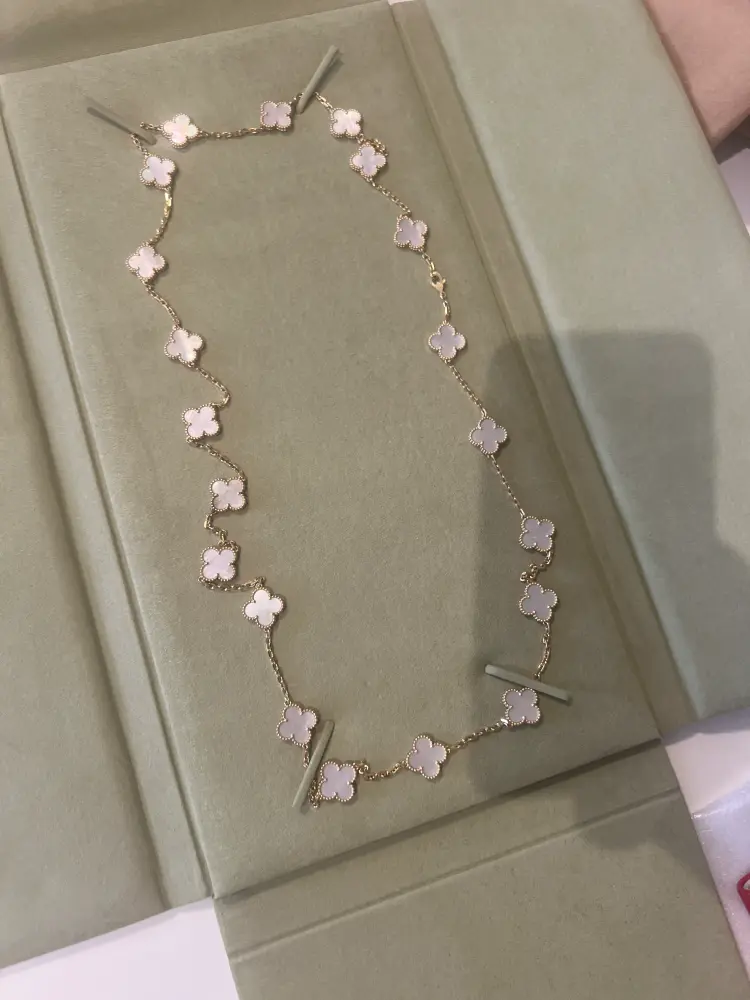
Can Newer Jewelry and Watches Be Valuable?
Yes. Jewelry from the 20th or 21st century may attract buyers because of its maker, design, metal, gemstones, workmanship, rarity, or place within a collection.
Read the tiny marks before accepting a gold-by-weight offer. A designer signature or jewelry-house name may add a collector market to the metal value. Names to look out for include Tiffany, Cartier, Van Cleef & Arpels, and David Webb. Authentication remains necessary because false marks, counterfeit signatures, altered pieces, and replacement components occur.
An important note: buying jewelry from a major retail house does not guarantee that its resale value will match what you paid. A Tiffany or Cartier piece may still have a strong secondary market because buyers recognize the name, design, and collection, but the resale price can be substantially below the original retail price. Keep the receipt and original packaging, but research completed sales before using the purchase price as your estimate of current value.
For jewelry, look for:
✅ Designer signature, jewelry-house name, maker’s mark, or hallmark
✅ Metal marks such as 18K, 14K, 750, or 925
✅ Gemstone reports, receipts, certificates, and prior appraisals
✅ Collection name, model name, reference number, and production date
✅ Original box, pouch, papers, and replacement records
✅ Missing stones, worn settings, dents, scratches, and repairs
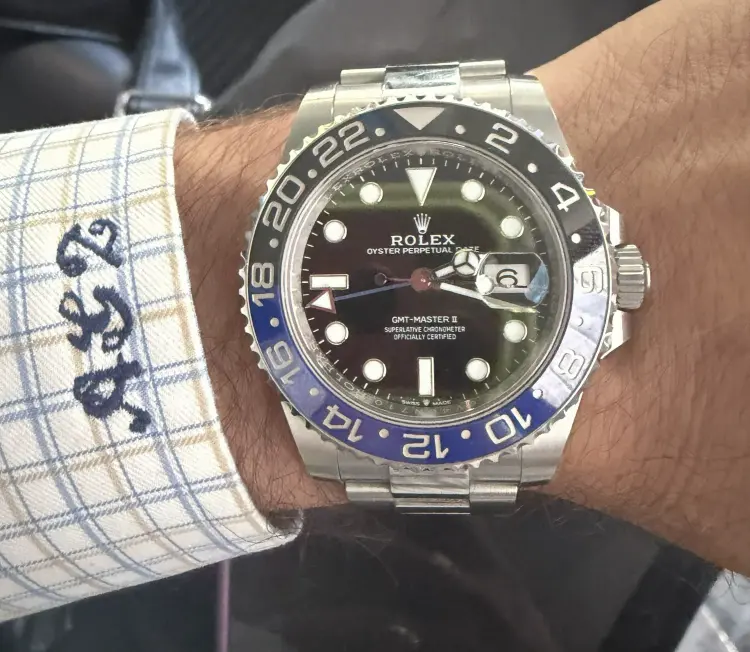
Watch buyers may focus on brand, model, reference number, movement, dial, case, originality, condition, and service history. Watches can be an exception to the usual retail-to-resale pattern. Certain models develop enough collector demand that their market value rises over time, sometimes beyond their original retail price. Rolex, Patek Philippe, Audemars Piguet, and Vacheron Constantin offer familiar examples, although the result depends heavily on the specific model, reference, condition, originality, and the market when you sell.
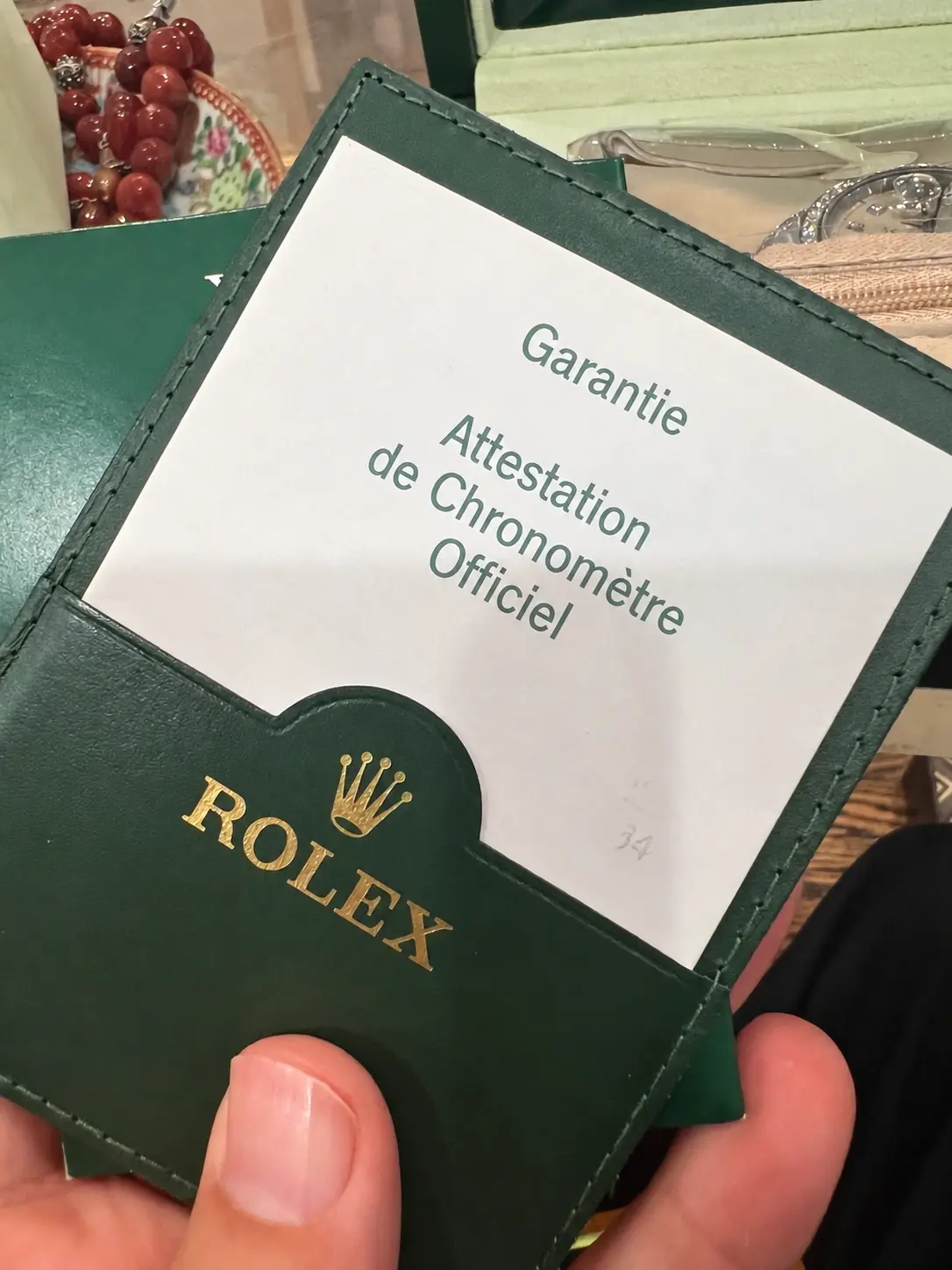
Keep the box, warranty card, manuals, receipts, service records, extra bracelet links, replaced parts, and accessories together. That cardboard box may matter.
Avoid opening the case or polishing the watch during the first research stage. A watch specialist can inspect the movement and identify changes that photographs may miss.
Which Other Newer Items May Interest Buyers?
Resale markets may exist for:
⇨ Studio glass and studio ceramics
⇨ Designer lighting
⇨ Limited editions and artist-made objects
⇨ Luxury handbags and fashion accessories
⇨ Photography and graphic design
⇨ Posters, concert material, advertising, and catalogs
⇨ Music, film, sports, and entertainment memorabilia
⇨ Toys, models, trading cards, and specialist collections
Demand varies by maker, period, condition, rarity, and category. Identification gives you a basis for checking completed sales and deciding whether a specialist should see the item.
For more information about the difference between antiques, collectibles, and vintage items, such as many of the items above, take a look at this short video:
Six Questions Behind Resale Value
1. Who Made It?
An identified name can connect an object to catalogs, archives, museum records, auction results, and collector groups.
2. Is It Authentic?
Specialists compare signatures, materials, construction, labels, documentation, and provenance. Some objects need an in-person examination.
3. What Is It Made Of?
Precious metals, gemstones, woods, finishes, hardware, printing methods, and manufacturing techniques help identify an object and place it within a market.
4. What Has Happened to It?
Damage, repairs, refinishing, replacement parts, missing elements, and alterations can change buyer interest and the available sales routes.
5. Where Has It Been?
A gallery invoice, jeweler’s receipt, old photograph, exhibition label, service record, or original box may answer questions about date, source, seller, and ownership.
Family memory helps when it points to a date, place, seller, prior owner, or event. Write those details down while someone remembers them.
6. Who Wants It Now, and What Will the Sale Cost?
Recent sales can show demand for the artist, designer, model, period, or category. Commissions, shipping, storage, insurance, photography, and payment terms affect the net amount.
What Should I Do Before an Item Leaves the House?
✅ Photograph the whole object from several angles.
✅ Photograph every label, signature, stamp, hallmark, number, and inscription.
✅ Record dimensions and visible condition problems.
✅ Photograph the back, underside, interior, hardware, frame, and mounting.
✅ Gather receipts, certificates, boxes, catalogs, appraisals, and service records.
✅ Keep sets, accessories, spare parts, and paperwork together.
✅ Delay cleaning, polishing, repairing, reframing, refinishing, and reupholstering.
✅ Search for completed sales tied to the same maker, model, size, edition, and condition.
✅ Ask a category specialist when the evidence points to a field you do not know.
A Note for Families Clearing a Home
When you clear a parent’s apartment, downsize a Florida home, manage estate inventory, or divide family property, time pressure touches every room.
You may know when the dining table arrived, who wore the bracelet, where the print was purchased, or why the watch stayed in its box. Those details can lead to a maker, date, seller, or prior owner. Write them down before the papers and objects become separated.
Give the signed, marked, boxed, documented, or unusual pieces a holding area until someone identifies them. Ten minutes of research may settle the question. One label may point you toward a specialist.
For a step-by-step guide to researching and selling antiques, art, jewelry, watches, and household contents, learn more about my book, Antique Help: Making Sense So You Can Make Some Cents, at https://antiquehelpbook.com/
For help deciding which items deserve research, which documents matter, which specialist fits the category, or which sales route suits the situation, visit the Consultations section at https://antiquehelp.com/
Frequently Asked Questions
1. Does an item have to be 100 years old to have resale value?
No. Art, furniture, jewelry, watches, studio craft, and collectibles can attract buyers before they reach antique age. The maker, authenticity, condition, provenance, and current demand guide the research.
2. Is every antique valuable?
Resale research combines age with the maker, rarity, condition, materials, provenance, and selling venue.
3. What newer household items should I research?
Research items with signatures, labels, hallmarks, serial numbers, original boxes, receipts, certificates, or evidence of a known maker. Modern art, mid-century furniture, designer jewelry, watches, studio craft, and specialist collections may warrant review.
4. How can I identify mid-century modern furniture?
Start underneath. Photograph labels, stamps, hardware, joinery, upholstery, and repairs. Compare those details with manufacturer archives, reference books, museum records, and completed sales. An Antique Help® consultation can help you decide which furniture or design specialist should review the piece: https://antiquehelp.com/
5. Does a numbered print have resale value?
Use the edition number as one identification clue, then research the artist, printing method, publisher, edition size, signature, provenance, and condition. The Antique Help® YouTube channel includes videos about researching art and household contents: https://www.youtube.com/@antiquehelp
6. Should I sell signed jewelry for its gold value?
Read every signature, hallmark, metal mark, and maker’s stamp first. A designer or jewelry-house name may create demand beyond the material value. A gemologist, jewelry appraiser, auction specialist, or dealer can help identify the piece.
7. Should I clean or restore an item before seeking an offer?
Pause before cleaning, polishing, refinishing, reframing, repairing, or reupholstering it. Changes can remove evidence or affect collector interest. A category specialist can tell you which work, if any, makes sense.
8. Can an online asking price tell me what my item will sell for?
Estimate a sale outcome from completed transactions for the same maker, model, size, edition, condition, and sales period; record online asking prices as seller expectations. Account for commissions, shipping, insurance, and other selling costs when estimating the net amount.
9. Can Adam help me decide what to do next?
An Antique Help® consultation can help you sort the items that need research, identify the type of specialist to contact, prepare questions, and compare possible sales routes. The session gives you a research plan before you approach an auction house, appraiser, dealer, or buyer. Visit https://antiquehelp.com/
10. Where can I learn more before booking a consultation?
Visit the Antique Help® YouTube channel at https://www.youtube.com/@antiquehelp for videos about art, furniture, jewelry, watches, and estate contents. The book Antique Help: Making Sense So You Can Make Some Cents provides a longer research and selling guide: https://antiquehelpbook.com/
